Improving Policy. Advancing Practice. Strengthening Communities and Family Well-Being.
As a research institute, we are dedicated to improving policy, advancing
practice and strengthening families and communities. Together with our partners, we make
life better for others through our focus on program and policy evaluation, evidence-based
practice, data analytics and innovative data visualizations.
The Institute for Families in Society was created in the 1990s through the
interdisciplinary efforts of a task force commissioned by the University of
South Carolina. By 1992, the Institute was securely grounded by a generous
donation from Cindy and Evan Nord. Working across disciplines and programs, the
Institute has conducted research with a variety of partners to reduce child
abuse, strengthen and engage families and communities, and improve the health of
vulnerable populations.
The mission of the Institute is to use university-community interdisciplinary
research and practice as a platform to advance the science of helping families
and vulnerable populations.
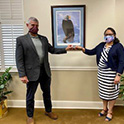
The Voice of Public Health Award honors South Carolinians for
their work in the field. The South Carolina Public Health
Association (SCPHA) recognized IFS staff members for their work
outside of IFS with the 2020 Voice of Public Health Award. Dr. Sarah
Gareau, along with other cofounders of
South Carolinians Reducing the Spread and Impact of
COVID-19, was recognized for
her
advocacy, support and data-driven education efforts through
social media. IFS faculty and staff members Debbie
Billings and Chloe Rodriguez, along with
other members, were recognized for their work
providing community-based resources and support
during the COVID-19 pandemic.